Participant Information – Crowd-Sourced Online Research
Project Title: Kicking the Habit: Historicising ‘Addictive’ Sport Sponsorship in Britain, 1965-2025. This research is funded by the Wellcome Trust (Grant Reference: 227393/Z/23/Z). The project will run from September 2024 to August 2030.
You will need to tick the boxes on the submission form to confirm your understanding of this information before submitting your memorabilia (images and ephemera). You must be over 16 years old to participate. By ticking the box on the submission form, you confirm that you are over 16 years of age and consent to participate.
What is the research about?
This research traces the history of sports sponsorship from 1965 to 2025. However, we are interested in memorabilia produced by the end of 2030. The research is divided into three universities and three strands:
As part of this research, we are crowdsourcing images and ephemera relating to sports sponsorship since 1965. This memorabilia will be used to create an interactive online map that traces when, where, and how companies sponsored professional sports, including football, rugby, tennis, cricket, and Formula One.
What will I be asked to do?
We invite you to submit your memorabilia – with the option to include a photo(s), or another type of image(s), photo of an object(s), photo of a document(s), or a website link – to the project website, which can help us tell this history. We are tracing unhealthy sports sponsorships from the 1960s to the present day; therefore, the image or ephemera should, if possible, include information on when, where, and how the sponsorship occurred.
We are interested in all memorabilia loosely connected to the UK. If the sports person, team, or competition can be watched in the UK, or the sponsoring company is visible in the UK, we very much welcome all your donations. Memorabilia of other unhealthy sponsorship (i.e., not tobacco, nicotine, alcohol or gambling) will be archived and reviewed for consideration.
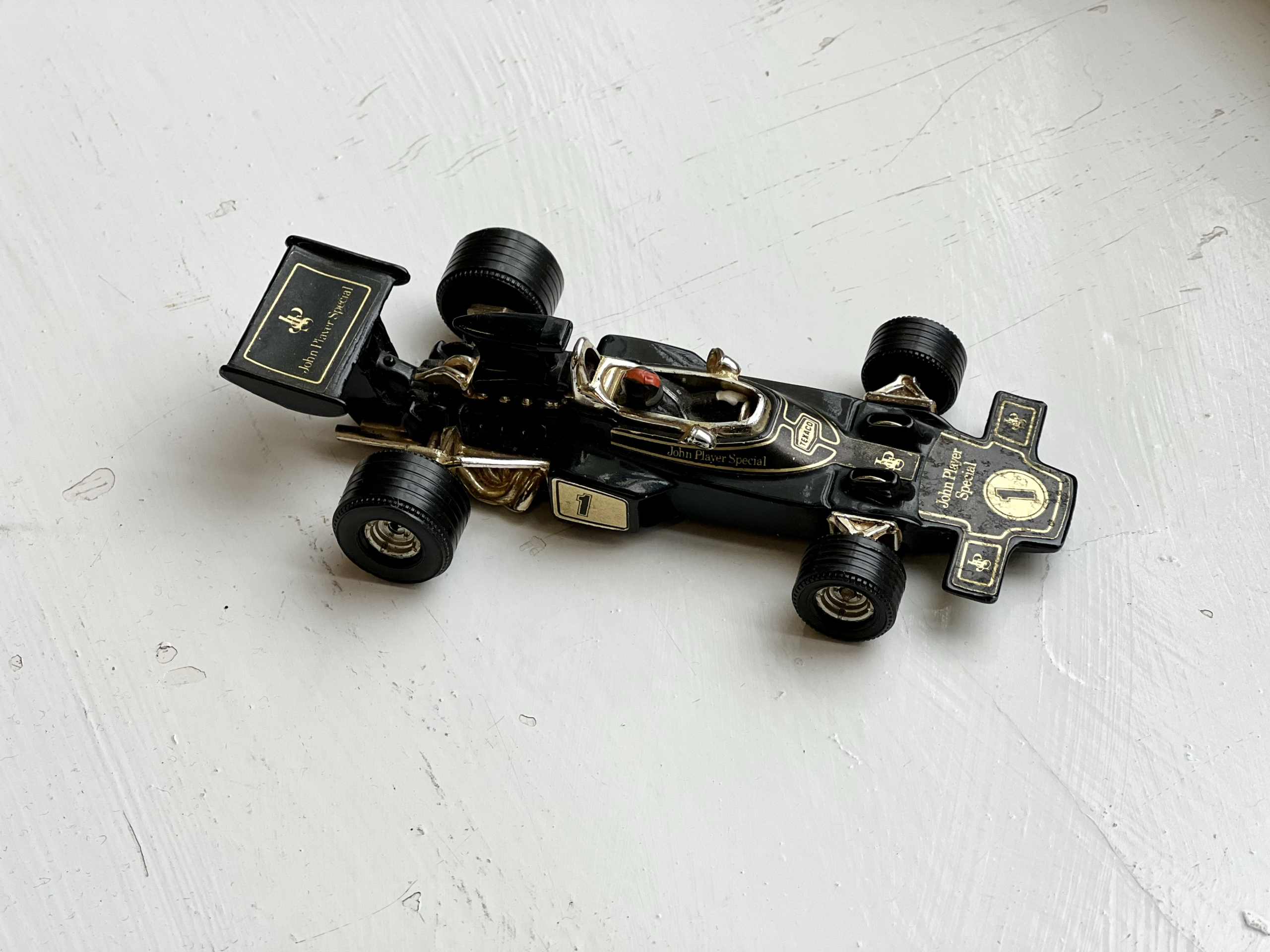
Each image should be accompanied by a short description, up to 250 words. The optional photo(s), object(s), document(s) or website link could include, but are not limited to, photographs of sports programmes, posters, stadium advertising, and physical items such as figurines, toys, pint glasses and match-day handouts. Please upload the image as a file (e.g., a JPEG) to ensure high quality. At the point of submission, you will be asked to provide your email address, which will enable the project researchers to contact you if necessary. There will be an additional tick box at this stage that asks whether you also consent to have your email address added to the project’s mailing list. Ticking this box is entirely optional.
What data will be collected, and how will it be used and stored?
A third-party web design company, boxChilli, has created the project’s website. If you submit content to the website, it will be saved on the web company’s server. For their privacy policy, see https://www.boxchilli.com/privacy-cookie-policy.
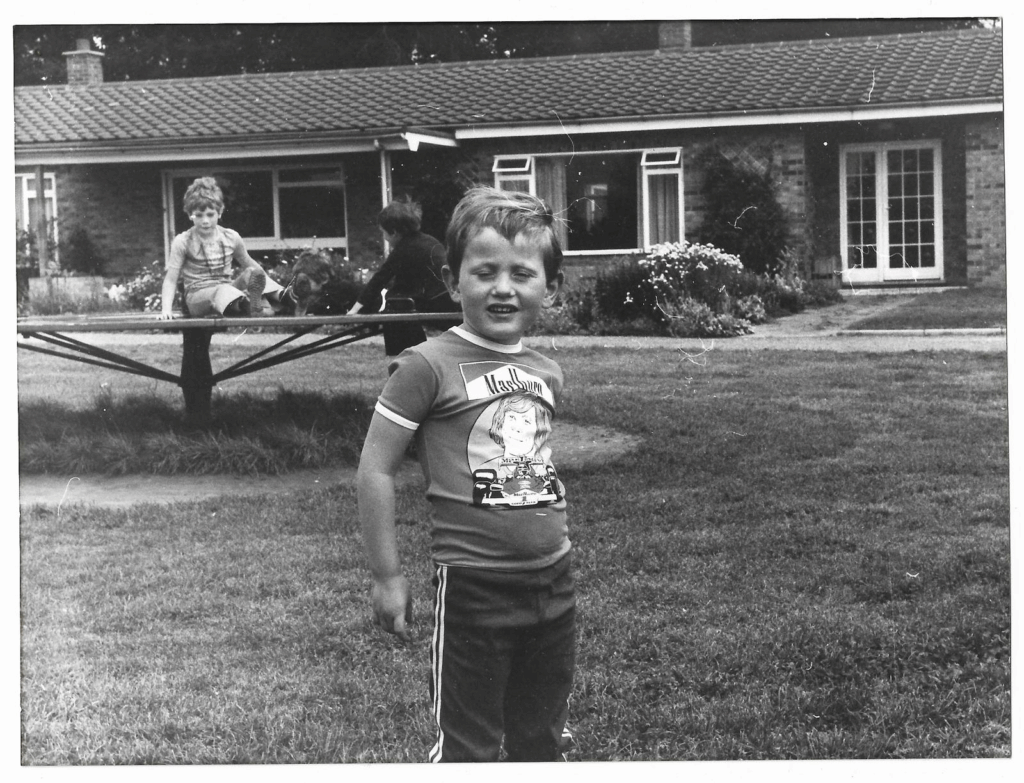
The research team will review the content you submit. If the image provides new or helpful information for the project, it will be approved and saved as part of the dataset used to produce an interactive map. In some occasional cases, images may be used to illustrate research publications and academic presentations, as well as press and public engagement (including social media posts). In these cases, the submitter’s prior consent will have been obtained via tick boxes. If you choose to share a photograph of yourself, or of another person, for this project (or if you submit other materials that show you/another person), you must expressly identify your preferences to allow (or not) the image’s use by the project team. If the image is not of yourself, please provide the contact details of the person in the image, as we cannot use it without their express permission (unless they are deceased, in which case, please specify via the tickbox). If you have provided consent, the researchers will use your email address to contact you about your submission and to maintain a mailing list for the project. All files will be encrypted using Windows 11 and stored on a University of Nottingham OneDrive account, accessible only by the project team. The interactive map will be hosted on the project website, which will be freely accessible to the public.
If the research team uses the content you submit via the website, we will add it to a database they use. This database may contain details that identify you. We will not use, quote from or share this data with anyone without your express permission.
The memory must relate to the period since the 1960s. Unfortunately, we must decline submissions outside this remit. If the research team is unable to use the memory and/or content that you submitted, the file/s will be deleted from the web company’s server.
Archiving the website
If we decide to accept your submission, we will store your provided personal information and link it to your submission(s). This information will be kept secure and available only to members of the research team during the study period. The information you submit to the website will be publicly available for the duration of the project and for three years after the project ends. It will then be archived in the Internet Archive (archive.org), where it will be accessible to anyone for future studies or teaching. At the end of this period, the website will be archived, alongside all the texts and images (where licenses and permissions allow), and will be deposited in the UoN research data archive, rdmc.nottingham.ac.uk. For each published dataset, a DataCite DOI will be issued.
Are there any risks to participating?
Your participation in this research is entirely voluntary, and we therefore hope you will not experience any anxieties or concerns during your participation. However, if participating in this study raises any issues for you, we recommend that you contact one of the following resources: NHS support for tobacco, alcohol, and gambling harm. If you have any questions about your rights as a participant in this research, or if you feel that you have been placed at risk, you may contact the University Research Integrity and Research Ethics Committee at the University of Nottingham: https://www.nottingham.ac.uk/governance/universitycommittees/research-ethics.aspx
Data Protection Privacy Notice
The University of Nottingham conducts research to the highest standards of research integrity. As a publicly funded organisation, the University must ensure that its use of personally identifiable information about people who have agreed to participate in research is in the public interest. This means that when you agree to participate in a research study, we will use information about you in the ways necessary and for the purposes specified to conduct and complete the research project. Under data protection law, ‘personal data’ means any information that relates to and is capable of identifying a living individual. The University’s data protection policy governing the use of personal data by the University can be found on its website: https://www.nottingham.ac.uk/governance/documents/data-protection-policy.pdf
The information above outlines the data that will be collected for this project. Please ask the research team if you have any questions or are unclear about what data is being collected about you.
Our privacy notice for research participants provides more information on how the University of Nottingham collects and uses your personal data when you take part in one of our research projects: https://www.nottingham.ac.uk/utilities/privacy/privacy.aspx
If you have any questions about how your personal data is used, or wish to exercise any of your rights, please consult the University’s data protection webpage (https://www.nottingham.ac.uk/governance/records-and-information-management/data-protection/data-subject-access-request.aspx), where you can make a request using our online form. If you need further assistance, please contact the University’s Data Protection Officer ([email protected] ).