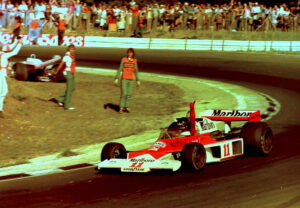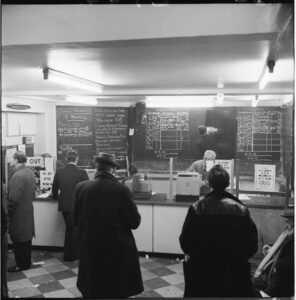
In contrast to tobacco, the genesis of alcohol sponsorship in British sport stemmed from market forces rather than legislative necessity. Against a backdrop of extensive corporate mergers, which saw the top seven brewers’ control over 70% of the beer market in Britain by 1967, initial sponsorship deals represented a novel attempt to appeal to new consumers in a crowded market.
An early example of this was the 1970 pre-season football tournament sponsored by the brewers Watney Mann. As recounted by Watney’s former promotions manager, Stan Denton, the company had ‘no real image’ at the time, with too much ‘polo and horse racing’ in its commercials to appeal working class consumers. In consequence, the company instigated the ‘Watney Cup’ to appeal to what Denton termed the ‘cloth hat and muffler brigade’, through their twin loves of football and beer. A year later, Watneys also launched a sister competition in Scotland, the Drybrough Cup. Neither, however, proved all that successful, with Watneys terminating the former in 1973, on the grounds that it had had limited cut-through in an already packed footballing calendar.
By the mid-1970s, alcohol companies began to face the same legislative pressures as the tobacco industry. In response to growing rates of alcohol consumption, and increasingly brazen appeals to young consumers, the Government called for tighter self-regulations over advertising content. In the first instance, this resulted in the expansion of restrictions already in place over alcohol adverts in broadcast media (i.e., TV and radio). It also saw the extension of these same controls over non-broadcast media, such as newspapers, magazines, and cinemas, for the first time. Together, these controls included strictures against encouraging immoderate drinking, using sporting personalities or celebrities to promote products, and the presentation of alcohol as a sign of ‘toughness’ or ‘social success.’
In response, alcohol companies increasingly turned to sponsorship. This was noted by marketing experts from as early as 1980, who suggested that alcohol companies increasingly utilised sponsorship in anticipation of ‘further restrictions over advertising.’ Similarly, the Department of Health and Social Security expressed concerns about sponsorship being used to skirt legislation from as early as 1976, stressing that the practice should not be used ‘as a means of evading the codes of advertising practice.’ In any case, the total spend on sponsorship by alcohol companies as of 1982 stood at around £5 million. This included the sponsorship of sports with broad appeal, such as tennis, golf, rugby and football, with notably examples including the Belgian lager brand Stella Artois’ sponsorship of the Queens Club Tennis Championships. Perhaps surprisingly, it would also include the sponsorship of more ‘niche’ sports, such as angling, curling, and ice hockey. The Australian lager brand Foster’s, for instance, would sponsor sports such as canoeing, hockey, and surfing, before engaging in more extensive and ‘mainstream’ sponsorships of the British Grand Prix and the Oval cricket ground. Meanwhile, brands such as Ansell’s, John Smiths, and Blackthorn Cider had would all begin to sponsor American pool.
In the face of such a rapid proliferation of alcohol sponsorship, various parties began to question if allowing this to continue unimpeded was such a good idea. Following disturbances after the 1980 Scottish Cup final, for instance, the Shadow Secretary of State for Scotland, Bruce Millan, noted the hypocrisy of complaining about excessive drinking ‘when the whole of the football ground is plastered with advertisements for drink.’ Others also noted the potential health implications of sponsorship, with Dr Andrew Vallance-Owen, Scottish secretary of the British Medical Association, suggesting that it seemed undeniable that ‘sponsorship and advertising of alcohol and tobacco products do have a negative effect and … encourage young people into the habit.’ Similar concerns were also expressed following Ranger’s commencement of a shirt sponsorship with McEwan’s Lager in 1987. Noting his disappointment as a lifelong Rangers fan, Dr David Player, formerly head of the Health Education Authority, expressed incredulity at claims that companies weren’t attempting to appeal to young people. Specifically, Player pointed to the fact that shirts bearing the McEwan’s logo were being printed ‘for five-year-olds, for seven[-year-olds], ten-year-olds and twelve-year-olds.’
By contrast, various official and quasi-official reports into sponsorship tended to defend the practice on the grounds of financial expediency. In 1983, for instance, a report into the growth commercial sponsorship in sport led by Denis Howell, the former Minister for Sport, defended the practice as a financial lifeline for many British sports at the time. In relation to the ‘ethical’ questions raised by sponsorship from tobacco and alcohol companies, Howell objected to prohibition on the grounds of both ‘personal choice’ and the fact that the government levied taxes on both products. Ultimately, Howell suggested it was up to individual sporting bodies to decide which sponsorships they entered in to.
Similarly, in response to enquiries about alcohol sponsorship made by the Ministerial Group on Alcohol Abuse in 1990, Colin Moynihan, then Minister for Sport, prepared a detailed report defending the practice. Like Howell, Moynihan stressed that alcohol sponsorship was ‘an important source of revenue for sport in the UK,’ providing an estimated £16-17 million pounds (approximately 10% of all sponsorship revenue) in 1987. Moynihan also drew a clear distinction between the relative need to regulate alcohol and tobacco sponsorship. Whilst suggesting that it was right to extend controls over the latter, on the grounds that ‘any degree of smoking can give rise to serious health risks,’ he stressed that many agreed that ‘moderate and responsible drinking [wa]s not harmful.’ In consequence, Moynihan suggested that formal controls over the alcohol sponsorship appeared unnecessary, so long as companies continued to act ‘responsibly.’ Similar sentiments were echoed by the National Heritage Committee’s investigation into sponsorship in 1994, which noted that it had no objections to alcohol sponsorship, so long as the industry ‘maintain[ed] their present level of discreet sponsorship and d[id] not seek to encourage under-age drinking.’
Moynihan did, however, recommend that alcohol companies promote alcohol free products within their sponsorships. This echoed the earlier recommendations made by the Madsham report in 1987, which advocated for the broader promotion of low alcoholic beverages to tackle problem drinking amongst young people.
Alcohol sponsorship thus continued to proliferate in British sport. In 1993, for instance, it was estimated that the brewers Bass contributed around £6 million a year to sport. This included several major sponsorships in men’s football, such as the English Football Association’s Premier League (under its Carling brand) and the Scottish Football Association’s Scottish Cup (under its Tennent’s brand). Meanwhile, it was estimated that the Guinness-owed Johnnie Walker brand contributed around £11 million a year to golfing competitions alone. By 2011, it was estimated that alcohol sponsorship accounted for around 12% of all sponsorship in UK sport, equivalent to around £300 million a year.
As in the earlier case of advertising legislation, the first controls over alcohol sponsorship in sport were also voluntary in nature. These came in 2003, when the Portman Group, a trade group comprised of alcohol industry representatives, included sponsorship within its broader code of practice for the naming, packaging, and promotion of alcoholic drinks. It was not until 2014, following the Coalition government’s 2011 public health responsibility deal, that the Portman Group formulated the first specific guidelines for alcohol sponsorship. These were similarly voluntary in nature and mirrored various aspects of the regulations already in place with respect to other forms of advertising. This included provisions such as not explicitly seeking to appeal to young people, not encouraging irresponsible drinking, and not implying that alcohol was a source of social or physical success.
The nature of alcohol sponsorship in sport has also begun to change. Gone, for instance, are title sponsorships by brands such as Carling and Budweiser. Instead, Guinness and Carling’s current deals with the Premier League, and Scottish Professional Football League respectively, are framed as ‘official drinks partnerships’, with Guinness advertising both the alcoholic and 0% versions of its signature beverage. There is even speculation that, following the withdrawal of front-of-shirt gambling sponsorships in football by the end of 2025-6, 0% alcohol brands might come in to fill the void. Similarly, Heineken, which has sponsored F1 since 2016, have increasingly used the sport to promote its 0% brand, stressing its support of sensible drinking through initiatives such as “When you drive, you never drink.”
Connecting sport with alcohol-free beverages appears to fulfil a desire on the part of legislators which has been expressed since at least the 1980s. But one might reasonably question the motivations on the part of alcohol companies. Like tobacco companies, which have increasingly made tobacco-free, nicotine-based products (such as vapes) the centre of their sponsorship efforts, alcohol companies would likely claim that the promotion of their 0% brands represents a less harmful way of consuming their products. Whether such promotions merely serve to promote brand recognition of their (often almost indistinguishable) alcoholic counterparts, however, is a matter open to debate. Not least because ‘brand recognition’ has often been touted as one of the key strengths of sponsorship as a form of marketing.
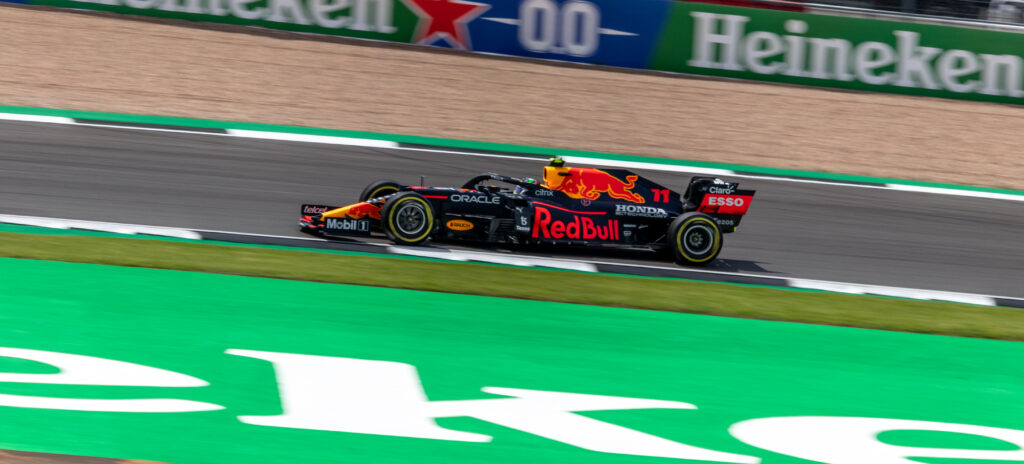
Above: Sergio Perez drives his Red Bull Racing car around the track at Silverstone, past hoardings of Heineken’s 0.0 alcohol-free brand, 2021. Image: Jen Ross License: CC BY 2.0.
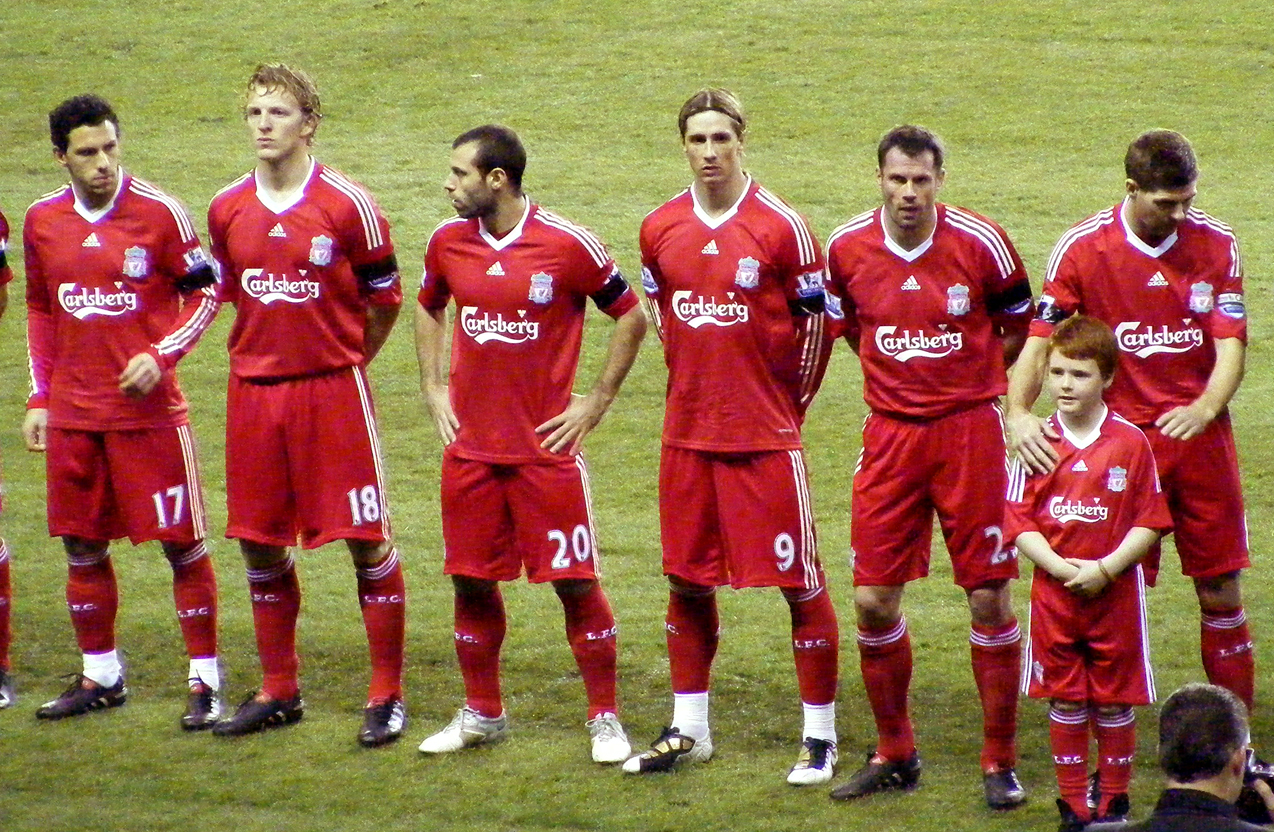
Featured image from the header: Liverpool F.C. in pre-match line-up, 2007. Photo: Dan Farimoond. License: CC BY 2.0