Unlike the tobacco and alcohol industry, the sports sponsorship by gambling companies only gained major visibility and public attention in the 2010s, as mass sponsorship of football and rugby teams became apparent. Following almost two decades of further expansion, the government is now relying on the English Premier League (EPL) to implement a voluntary front-of-shirt ban for football, starting from the 2026 season, marking a potential new shift in these relationships. However, we must look to history to understand how these commercial arrangements emerged from the deep connection between sports and gambling. This blog will chart key policies from the 1960s to the present day, which enabled the gambling industry to become a significant sponsor of football, as well as cricket and rugby. The history of gambling sports sponsorship will also map certain corporate tactics, and their novel deployment of technology, marketing and the media to encourage new modes of gambling, alongside gambling harm and public health intervention.
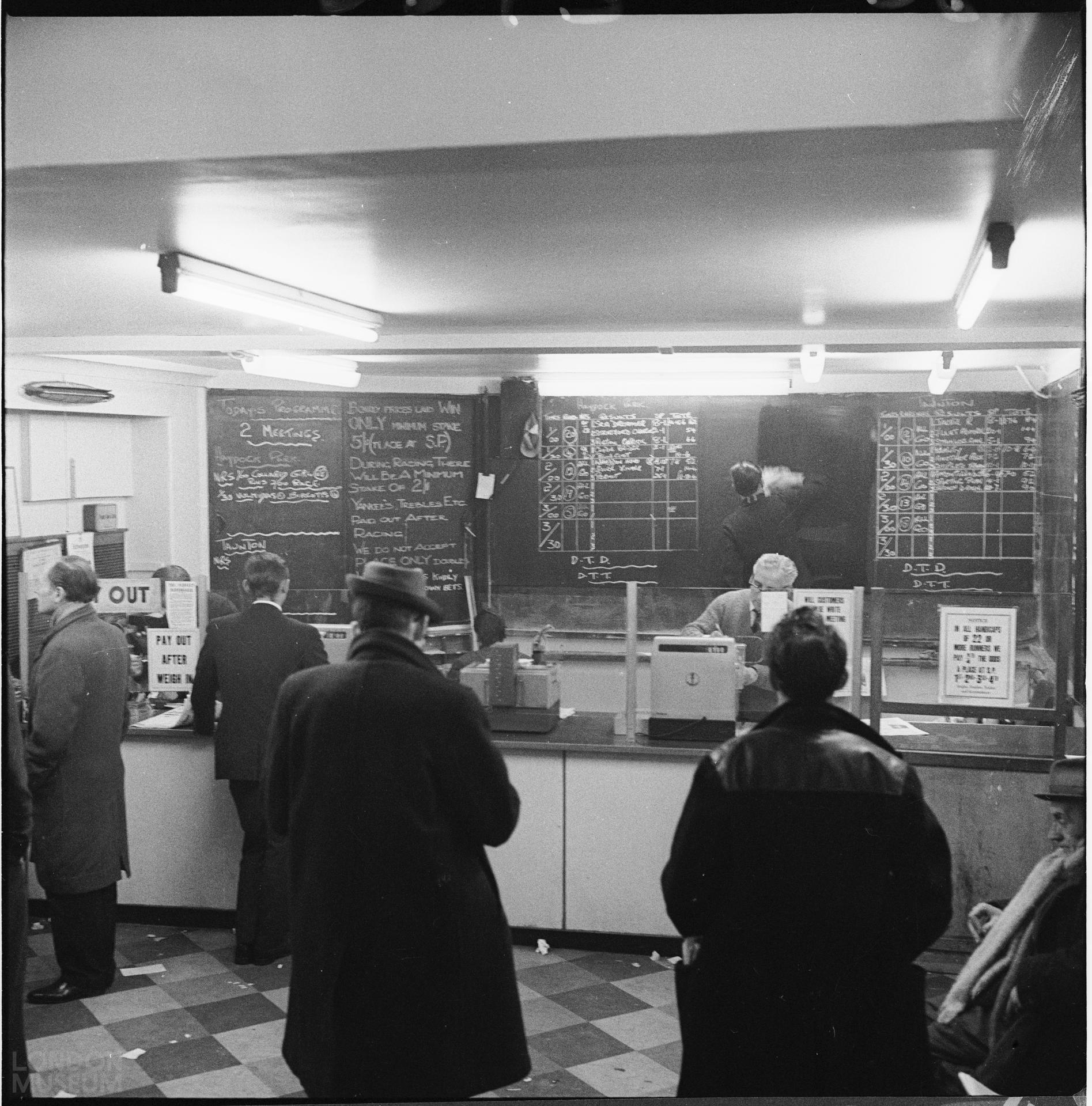
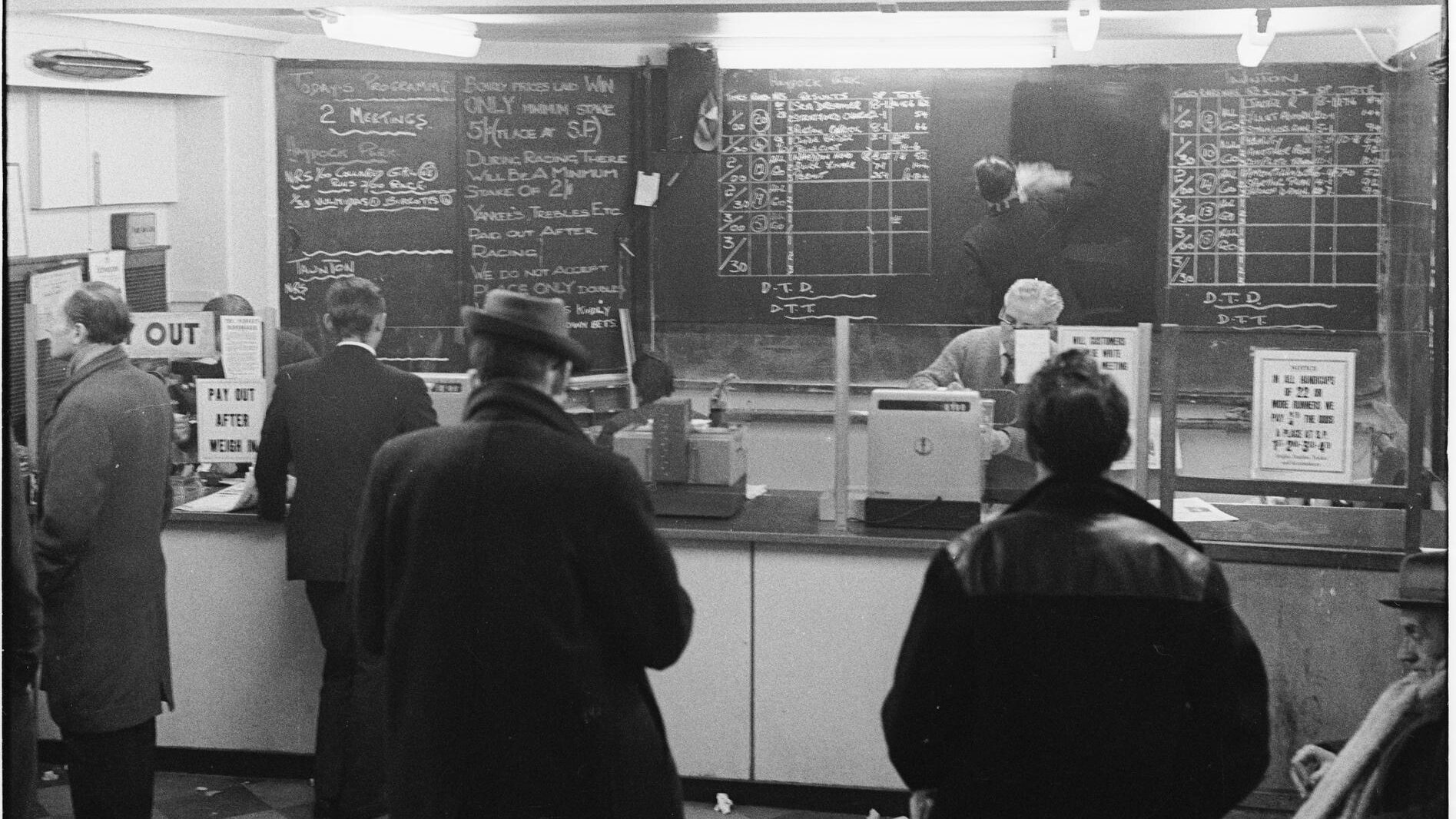
Although sports-related gambling has existed for centuries, the 1960 Betting and Gaming Act marked a crucial turning point. The Act legalised betting shops, aiming to take gambling off the streets. It led to the broader social acceptance and integration of casino gambling, resulting in the gradual economic expansion and legal oversight of the industry in Britain. By 1965, the local magistrates had granted approximately 16,000 betting shop licences, confirming a new era in British gambling. Having emerged decades earlier, Ladbrokes, William Hill and Coral became leading companies in the industry, with new competition joining every week, including Betfred in 1967. Throughout the late twentieth century, the gambling industry continually evolved, adopting new technologies to make both betting shops more comfortable and sports betting more accessible. For example, in 1986, the largest bookmakers provided live television coverage of greyhound and horse racing following the introduction of the Betting Act.
In 2001, the Alan Budd Report called for a partial lifting of the ban on television gambling advertising. As such, gambling sponsorship became more visible in the EPL via front-of-shirt sponsorship from 2002 onwards, monitored by the Gambling Commission. Betfair, a newcomer yet leading betting exchange company following their introduction of peer-to-peer betting, sponsored Fulham’s front-of-shirt for one season in 2002, and 888.com sponsored Middlesbrough’s in 2004. In 2005, Betfair also sponsored Channel 4’s coverage of the UK test cricket season for the first time. The 2005 Ashes series was heralded as legendary as England won, and the doors for gambling cricket sponsorship had opened. The growing trend of sports sponsorship by gambling companies accelerated in 2007, following the implementation of the 2005 Gambling Act. The act aimed to prevent gambling from being a source of crime or disorder, ensure fair and open conduct, and protect children and other vulnerable people from gambling harm. However, it also legalised radio and television advertising for most gambling forms, which opened the floodgates for professional sports to both seek and enter into multiple partnerships with the commercial gambling sector. The gambling industry began strategising on how to invest heavily in long-term sponsorship deals.
Moving beyond football and cricket, the gambling sector also emerged within professional rugby in the 2010s. Britain’s governing body for rugby, the Rugby Football League, had initially pushed back against sponsorship in 2012, rejecting a Betfair sponsorship deal for the Super League. However, the clubs’ and players’ criticisms led to an eventual U-turn. In 2015, Ladbrokes became the first betting company to sponsor a Rugby League competition. And Betfred was strategising how to monopolise professional rugby sponsorship. In 2017, Betfred became the first bookmaker to sponsor the Super League. Next, the company sponsored the Rugby Championships and League 1 in 2018, and both the Women’s (Rugby) Super League and the ‘Betfred’ (Rugby) Wheelchair Super League in 2019. All five aforementioned leagues were continuously extended and are said to be reviewed in 2026. A similar takeover had spread across professional football, including the Championships and both Leagues 1 and 2, as well as the aforementioned EPL. In addition, football has a global audience and therefore has access to the international sponsorship market. Whereas rugby’s sponsorship remains typically restricted to national companies. Nonetheless, the proliferation of gambling sponsorship in sports can negatively impact fans and the general public. It has been shown that gambling advertisements prompt unplanned betting in nine out of ten people who are harmed by gambling.
In 2020, the UK government announced a review of the Gambling Act to ‘make sure it is fit for the digital age’ and invited all stakeholders to submit evidence. This resulted in the High Stakes: Gambling Reform for the Digital Age white paper, published by the Department of Culture, Media and Sport in 2023. The white paper demonstrates a growing public health interest in preventing gambling harm, particularly in children and ‘vulnerable people’ at risk of ‘addiction’. One of the measures specific to sports sponsorship led the EPL to agree to ban gambling sponsors from the front of their shirts from the start of the 2026-27 season, including on football-related video games and stickers. However, this addresses only the highly visible, not the myriad ways in which the gambling sector sponsors sports; the commercial relationships are far wider and deeper. Another example includes the prohibition of prominent sports persons, in particular Premier League footballers, from appearing in gambling adverts. Again, demonstrating that the focus remains on football, not on other sports. The experts argue that more effective prevention measures should be in place because gambling companies will likely adapt and strategise new methods to advertise. For instance, they may replace front-of-shirt with shirt sleeve sponsorship. The commercial gambling sector will likely continue to play on the sidelines, prioritising profits at the expense of people’s health.